Foxes - Parallel lives
Urban foxes and negotiated territory
Urban foxes and negotiated territory
Work in progress
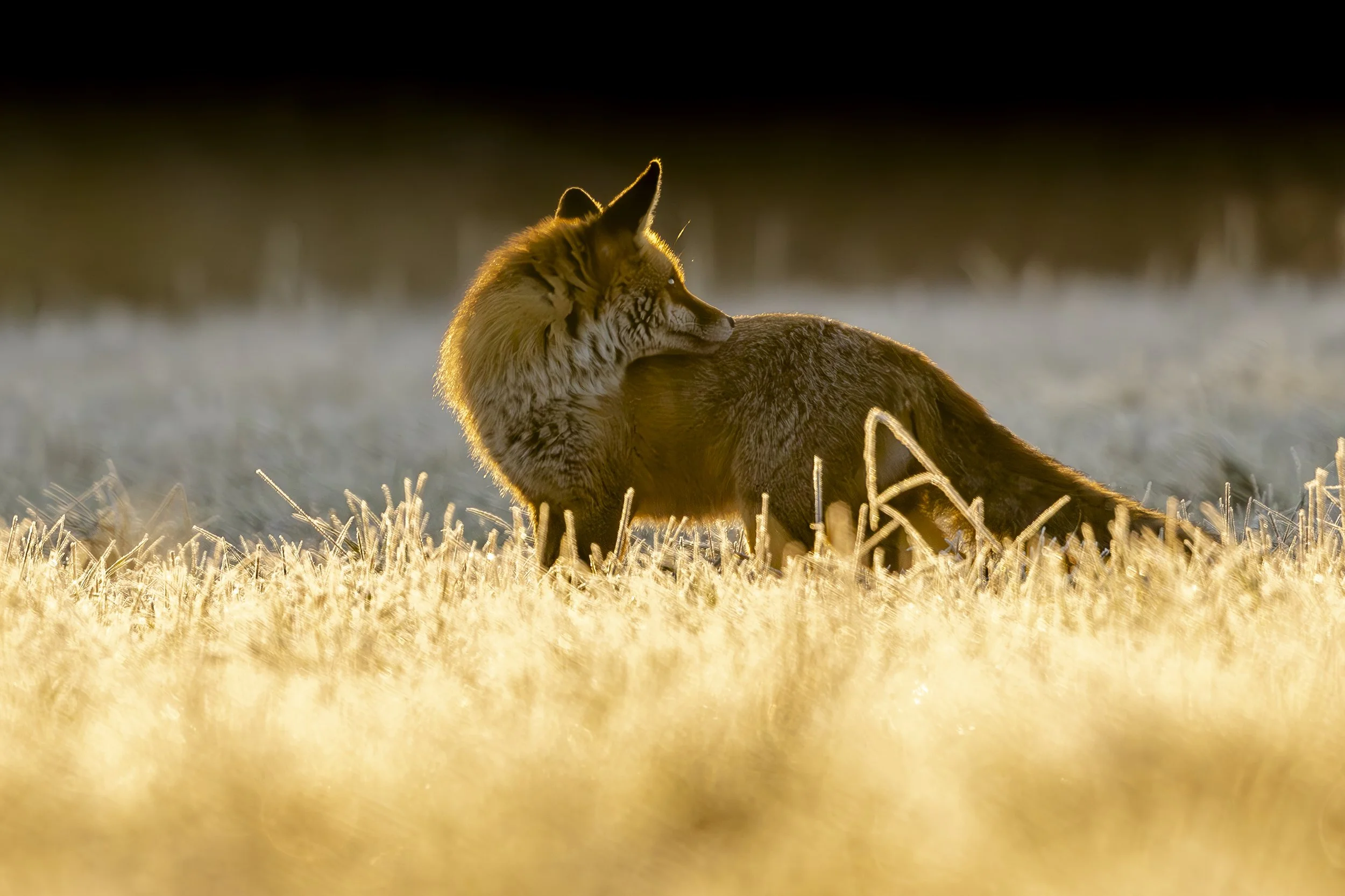
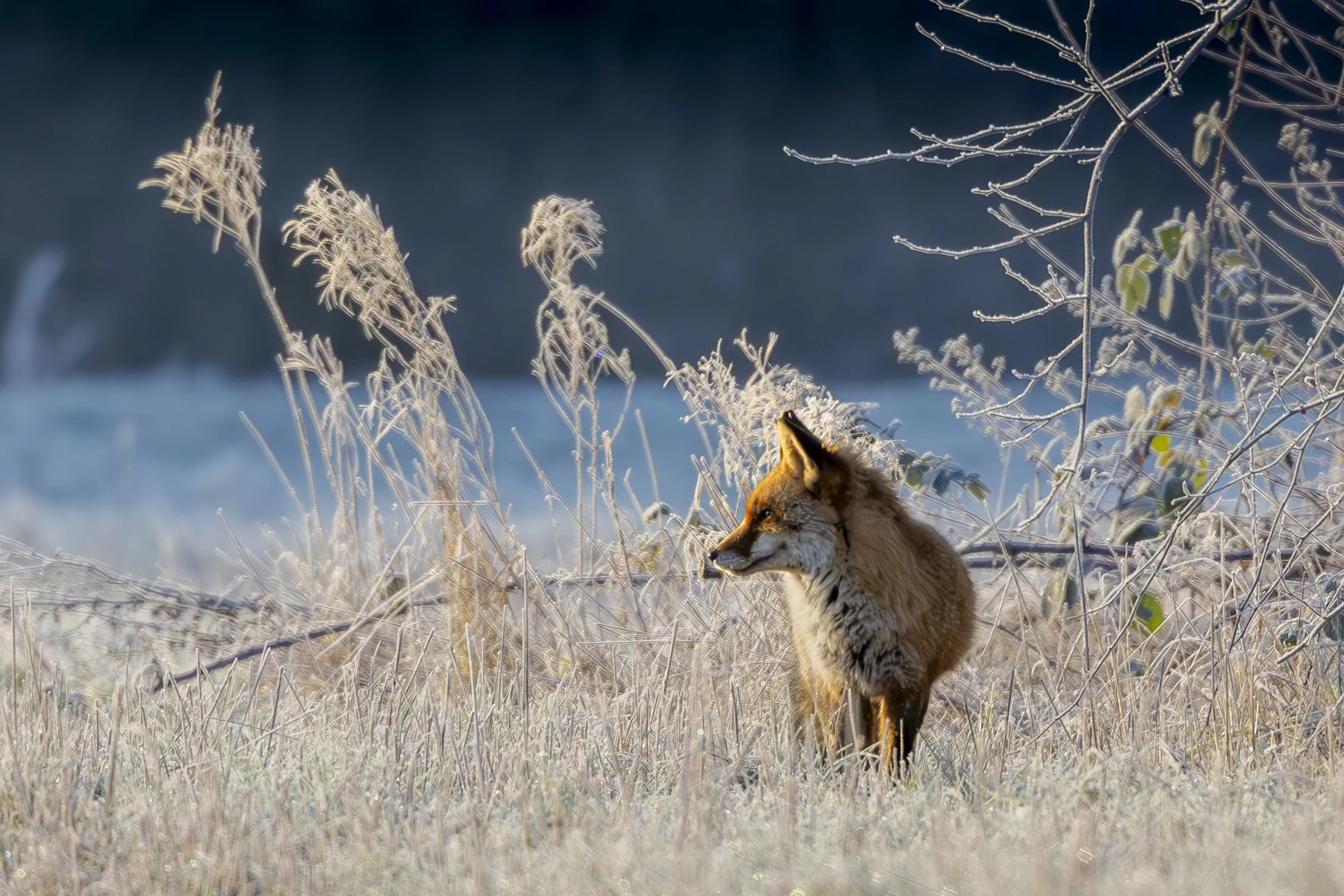
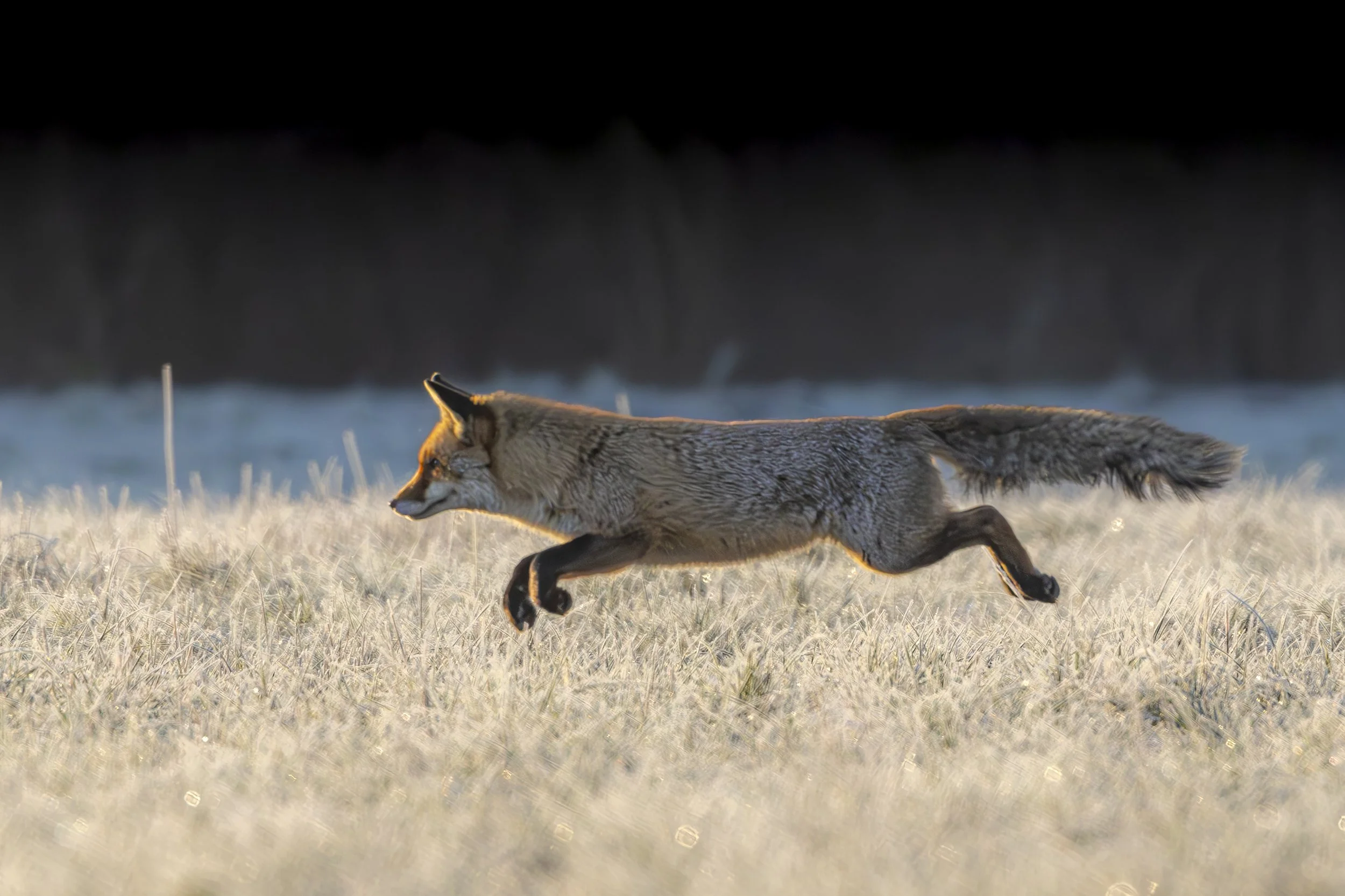
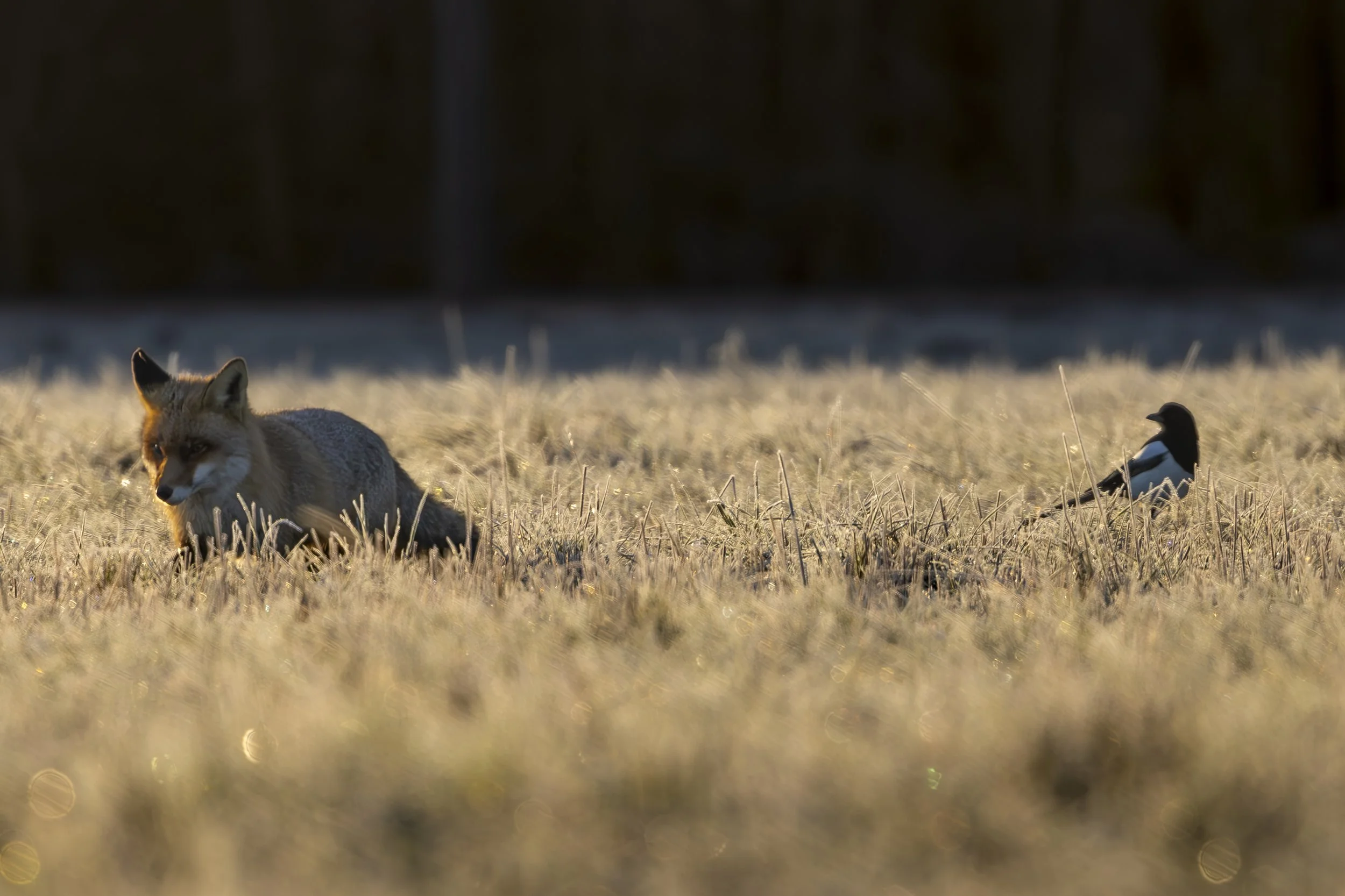
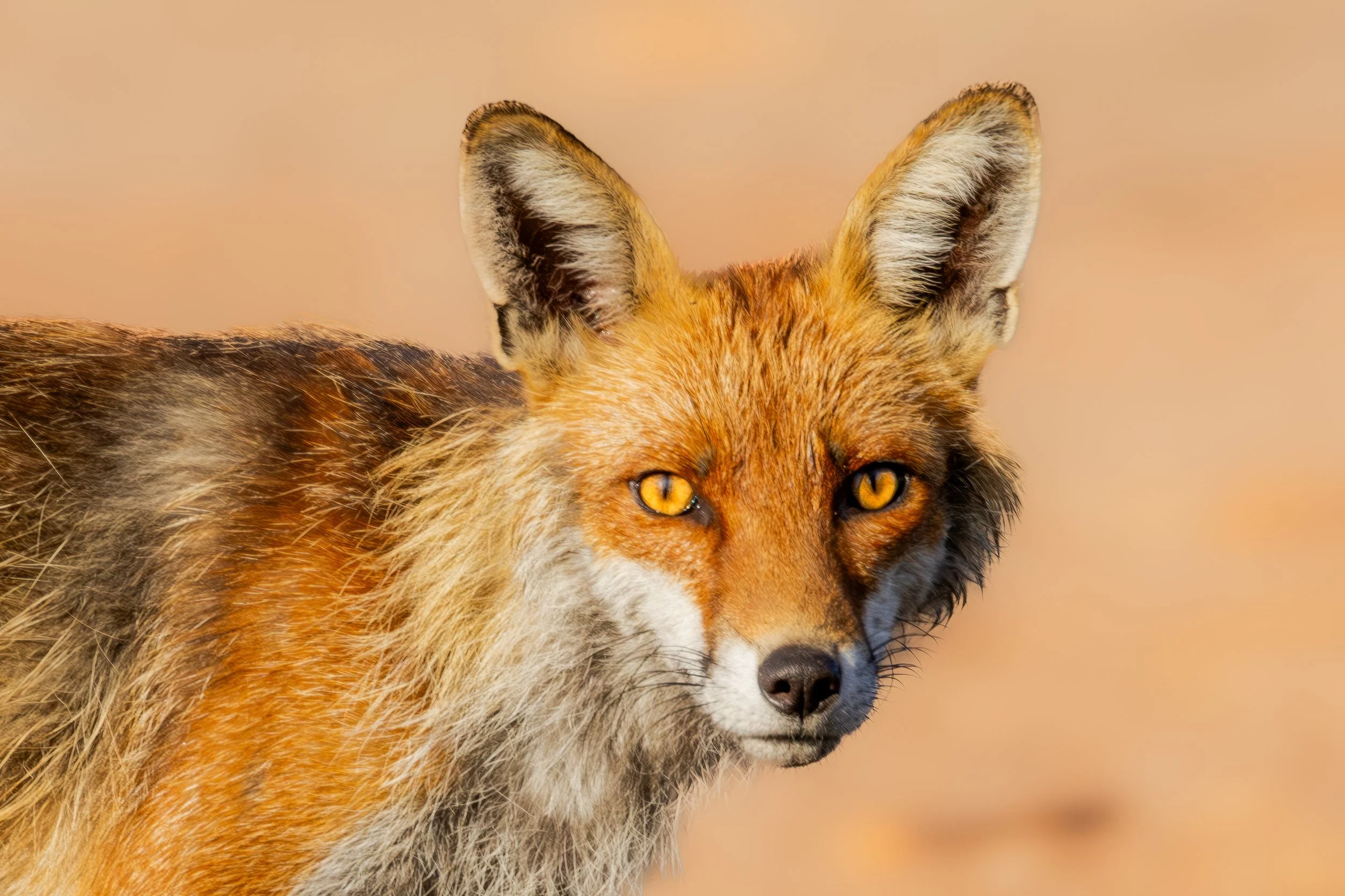
This project examines red foxes living within densely populated cities, observing how wildlife adapts to human infrastructure rather than retreating from it. Unlike rural habitats, the urban environment is fragmented, unpredictable, and structured around human rhythms.
Foxes navigate construction sites, residential areas, playgrounds, and leisure spaces. They raise young in concealed corners of gardens, industrial lots, and recreational facilities. Their presence is often unnoticed — until it conflicts with expectation.
Not all adaptation come without cost. Urban living exposes foxes to traffic, disease, fluctuating food availability, and constant disturbance. Through sustained observation, this project explores how resilience and strain coexist within human-dominated landscapes.
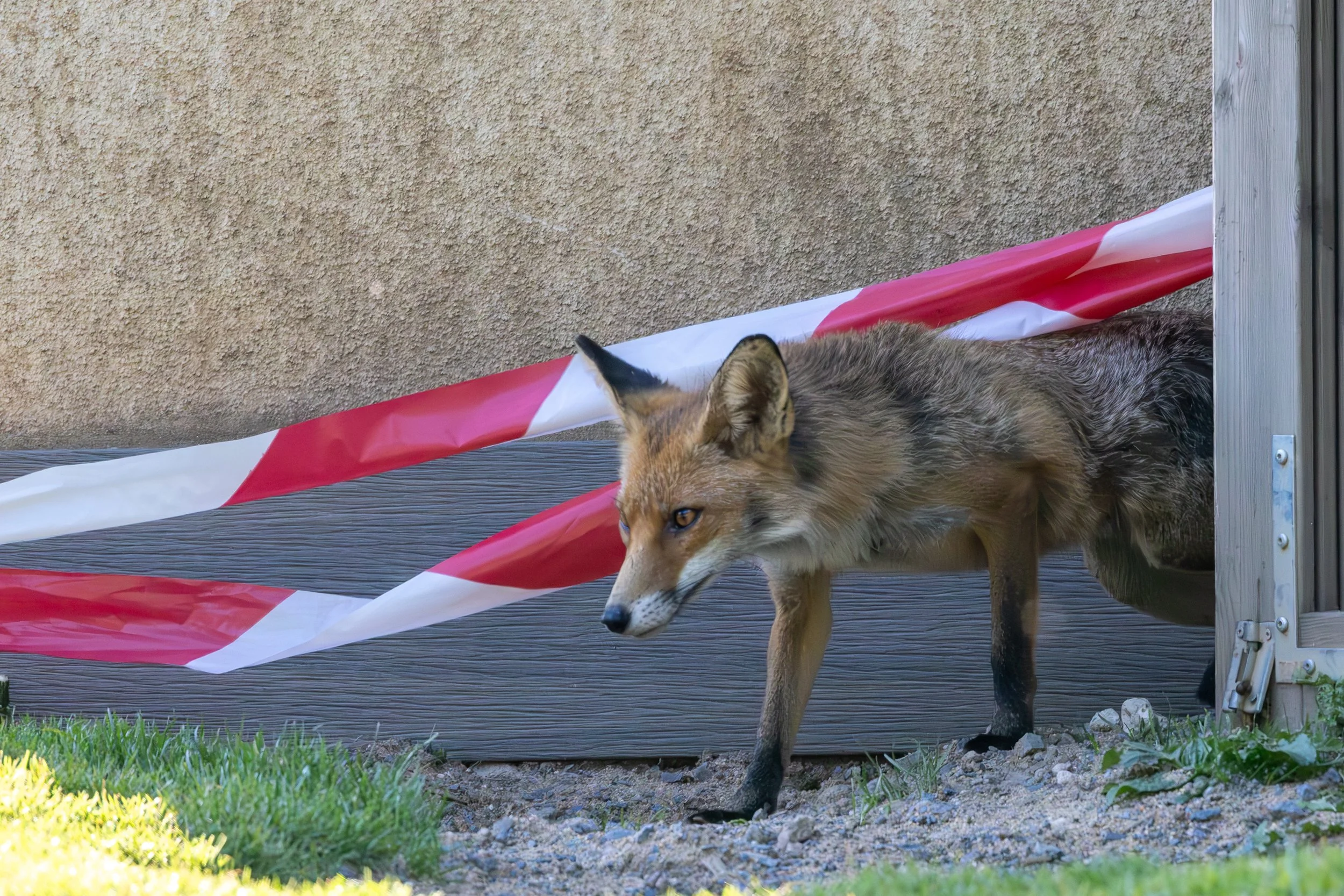
Shared Boundaries A fox moves through the grounds of a kindergarten after hours. Urban wildlife often occupies spaces designed exclusively for humans, challenging assumptions about separation.
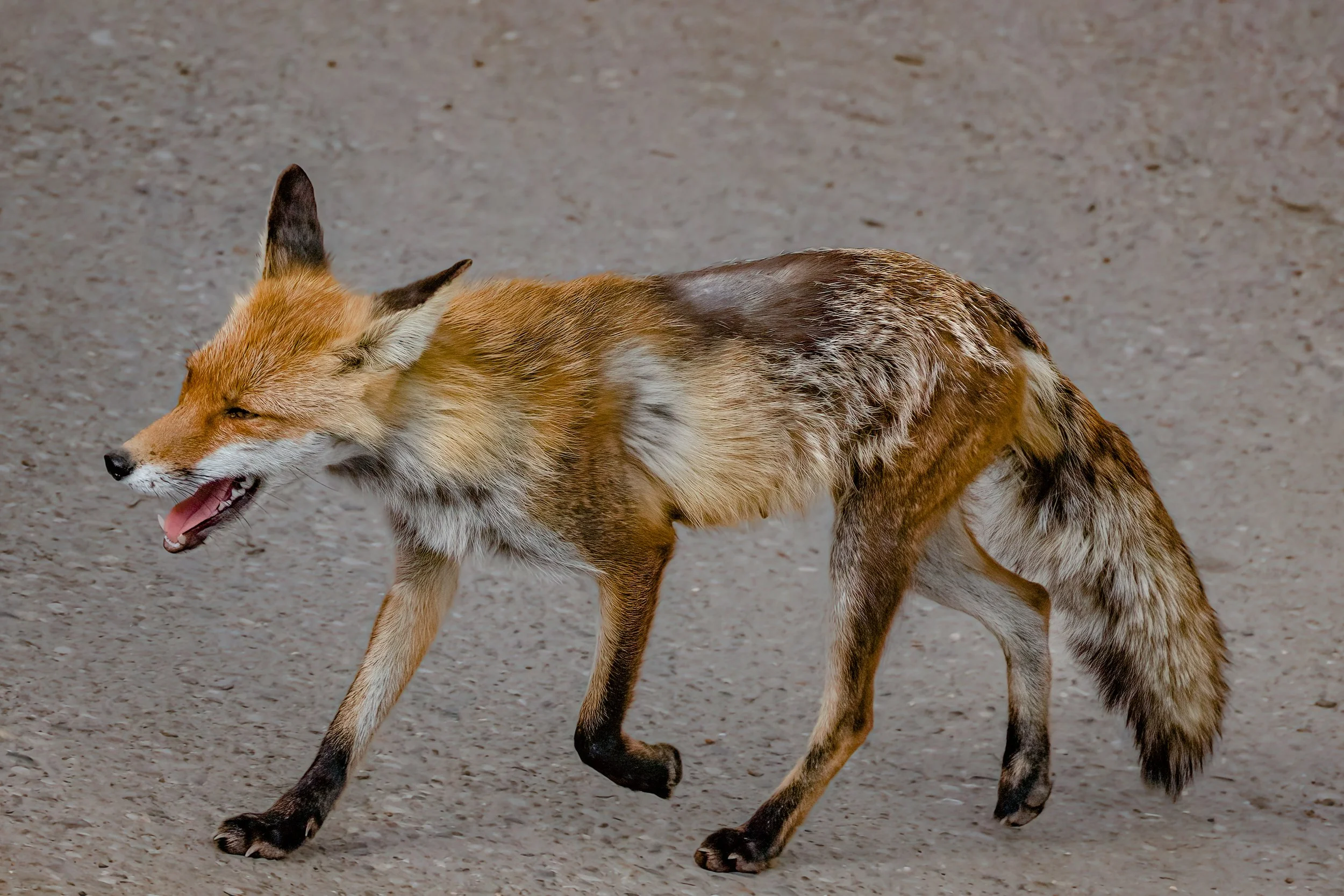
Cost of Adaptation Not all individuals thrive. In cities, injury, malnutrition, or disease can become more visible — reminders that adaptation carries risk.
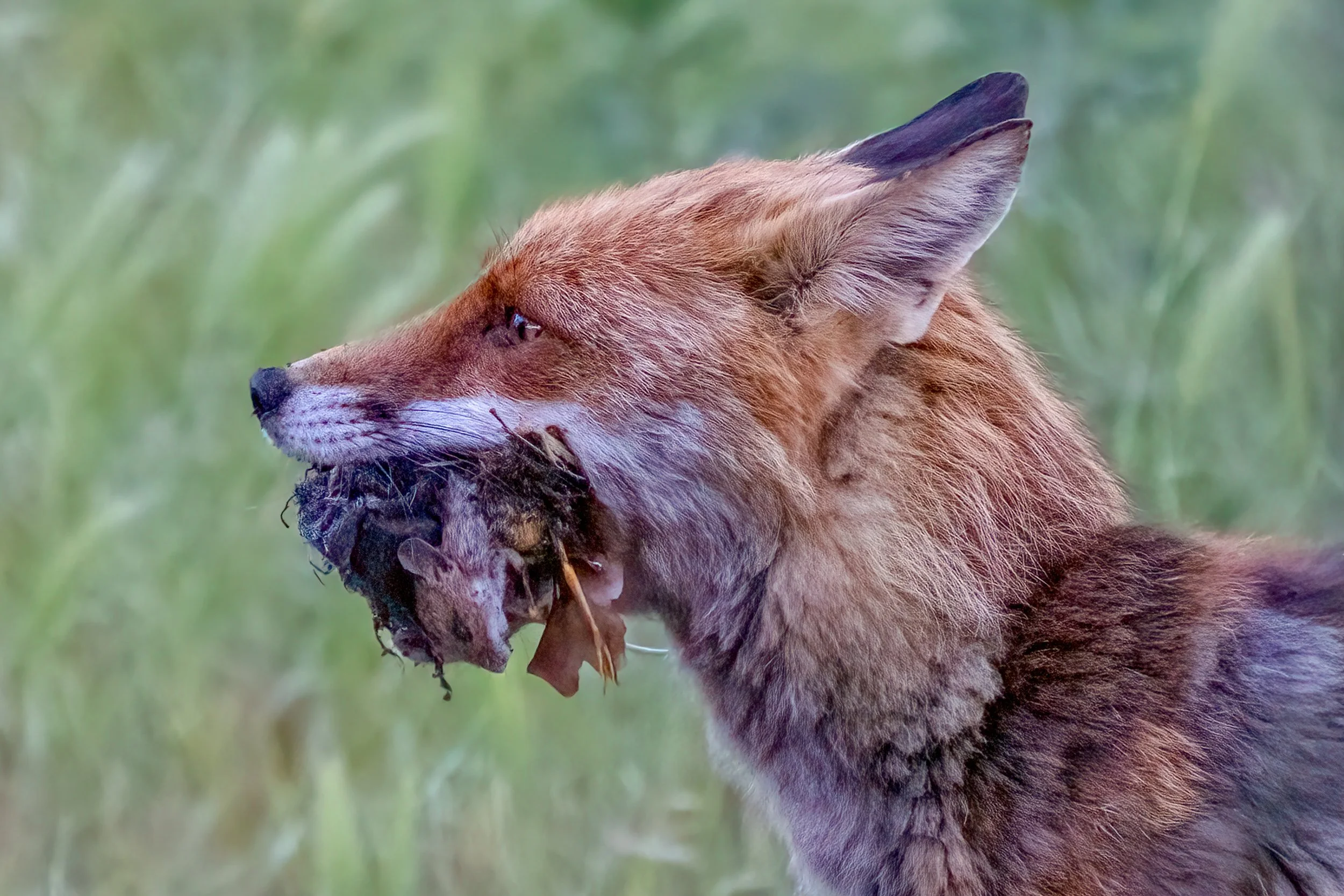
Provision An adult returns with prey gathered within the urban mosaic. Parental behavior remains unchanged, even when the landscape has transformed.
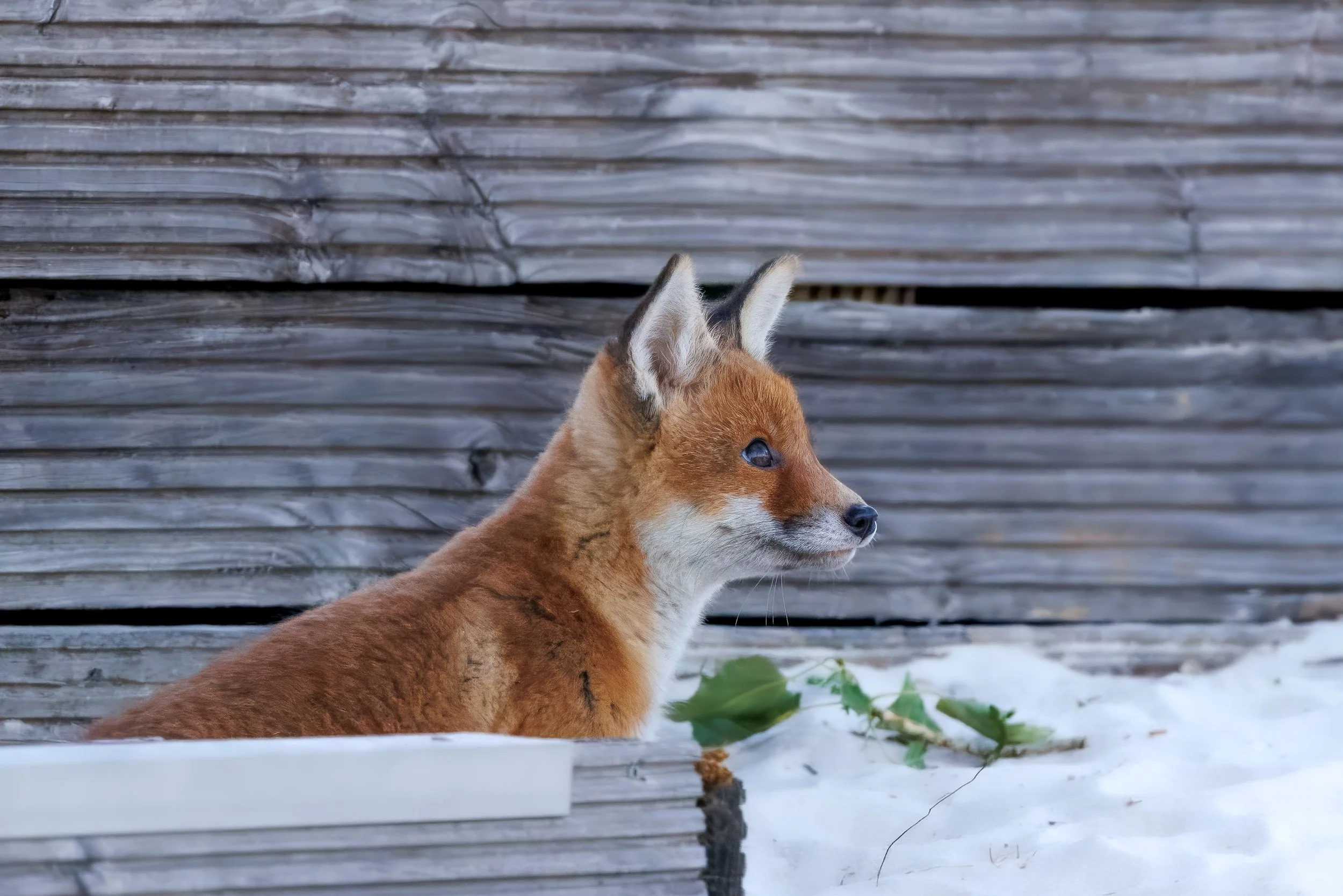
Embedded A den established within the premises of a beach club demonstrates how foxes integrate into leisure infrastructure. Urban territory is not abandoned — it is continuously renegotiated.
A snowy day
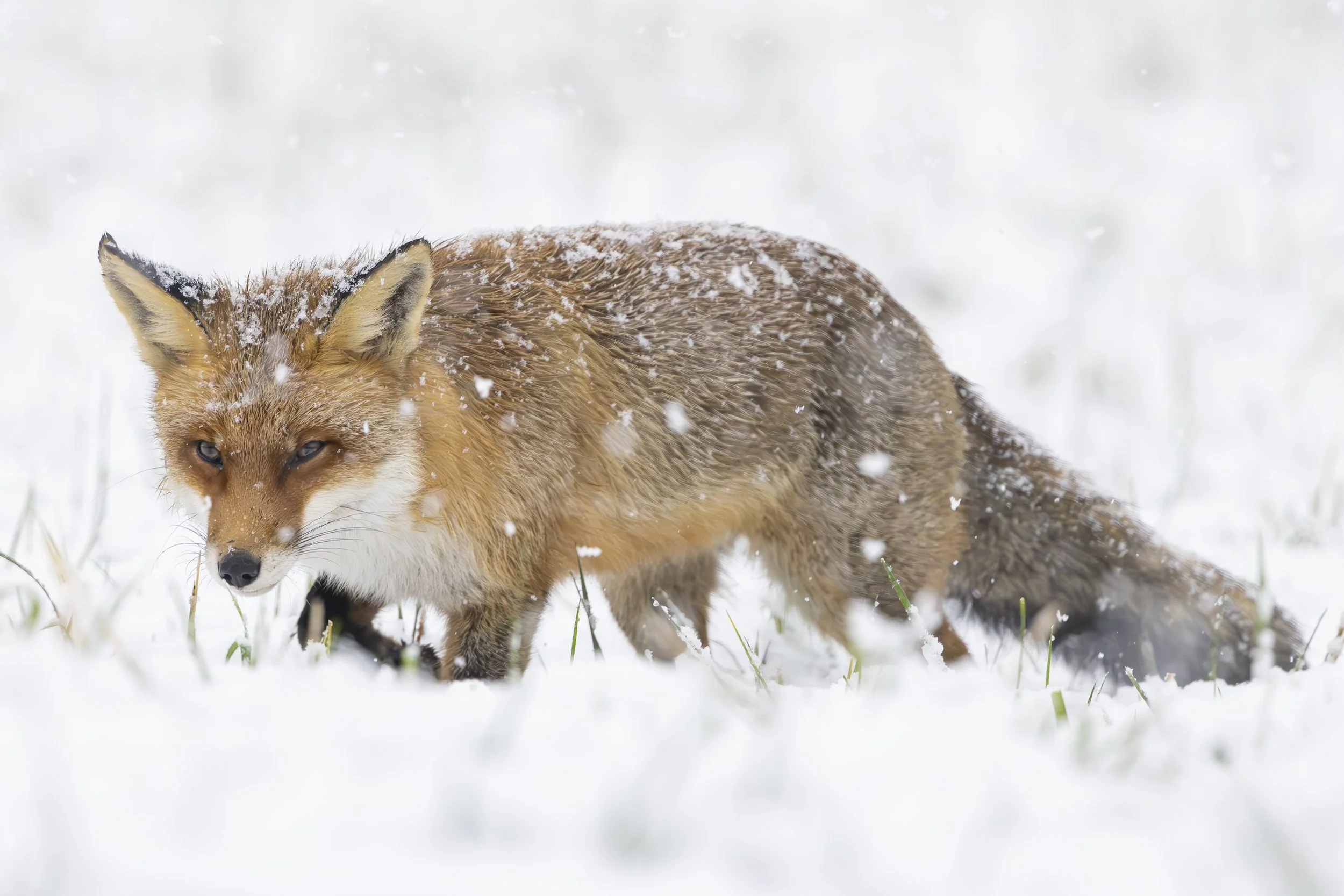
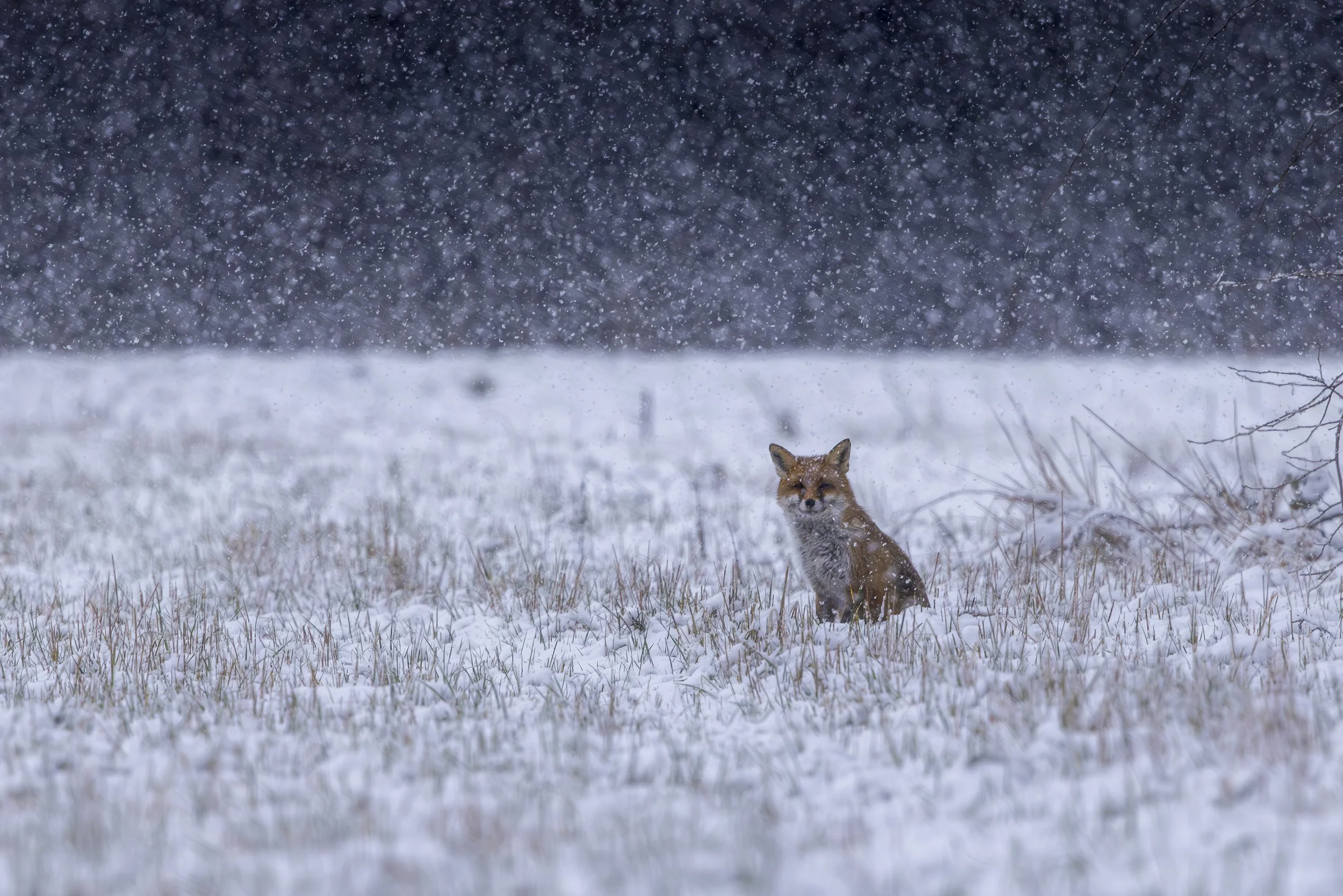
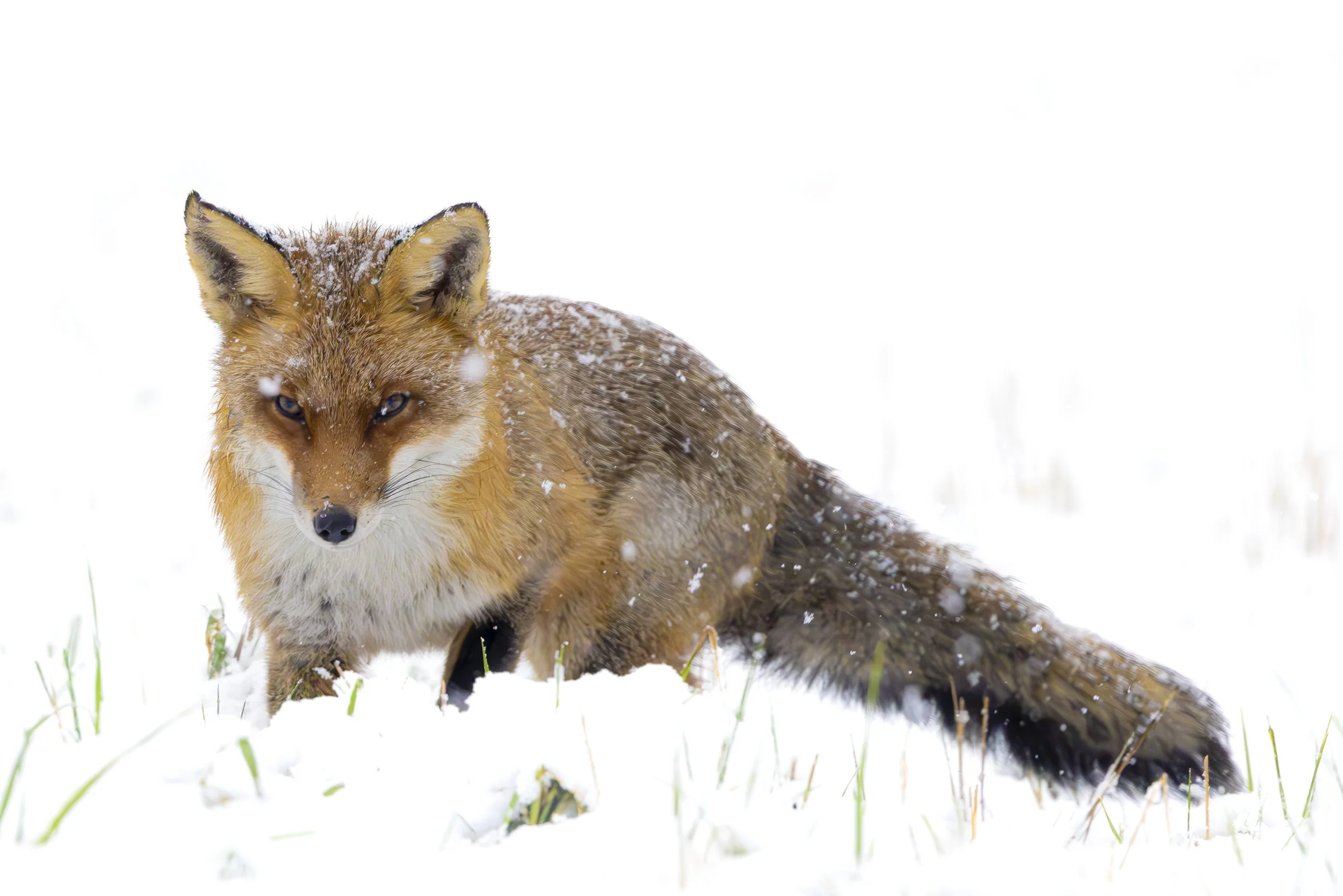
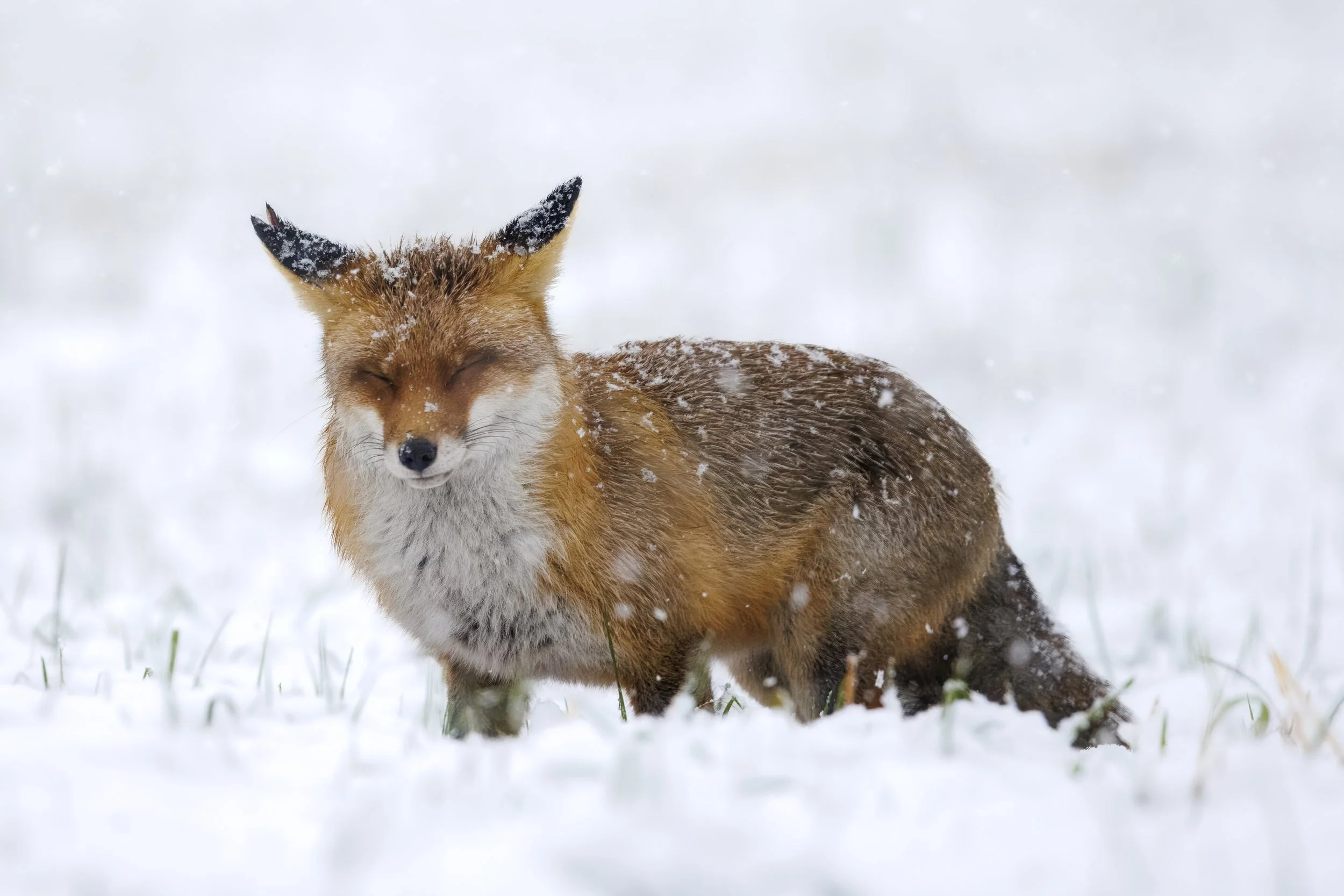
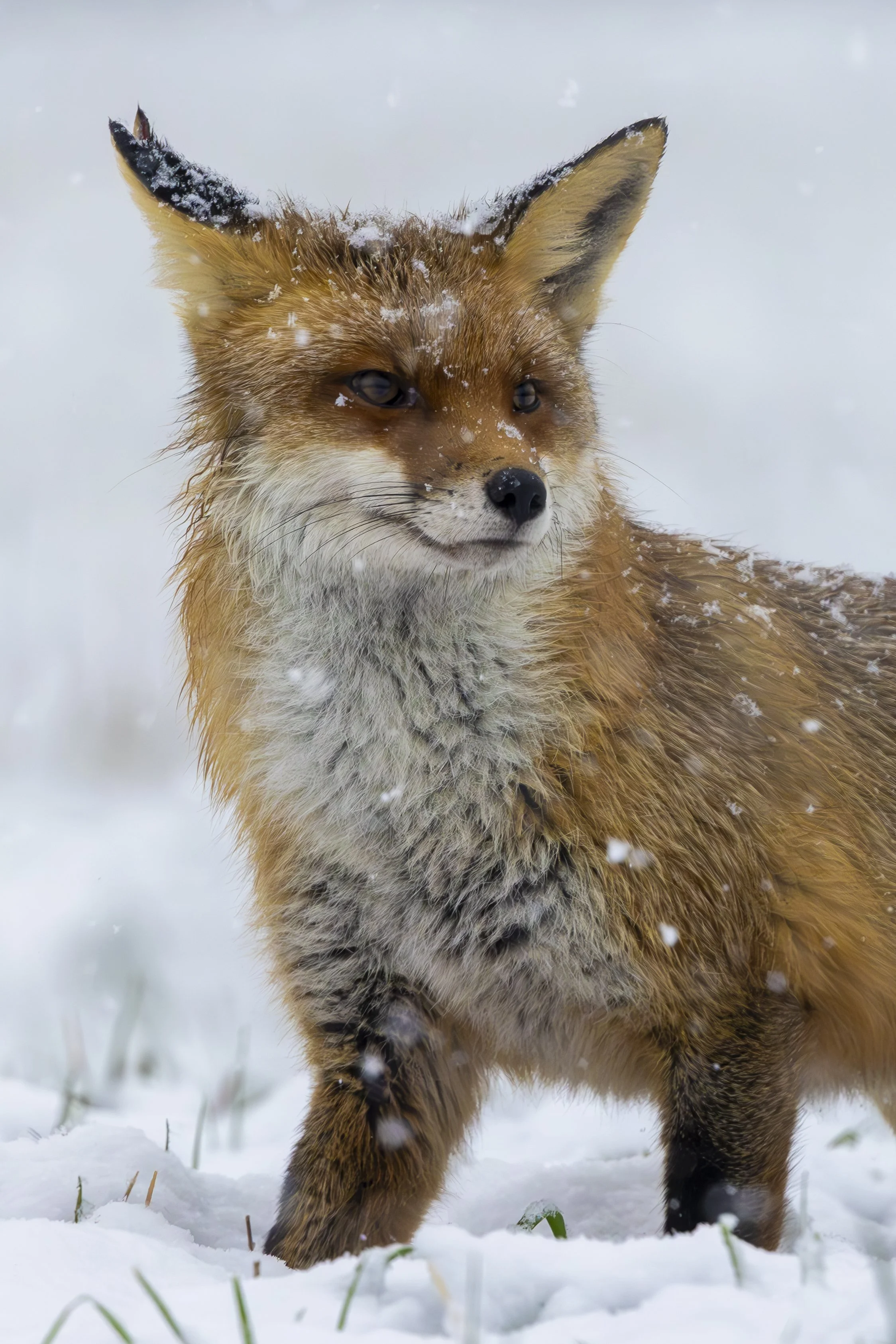
A beautiful winter morning